
For on this day shall atonement be made for you to cleanse you. You shall be clean before the LORD from all your sins. Leviticus 16:30 (NIV)
Happy New Year to our Jewish friends! Or should I say, Shanah tovah, a Hebrew phrase that means “a good year”.
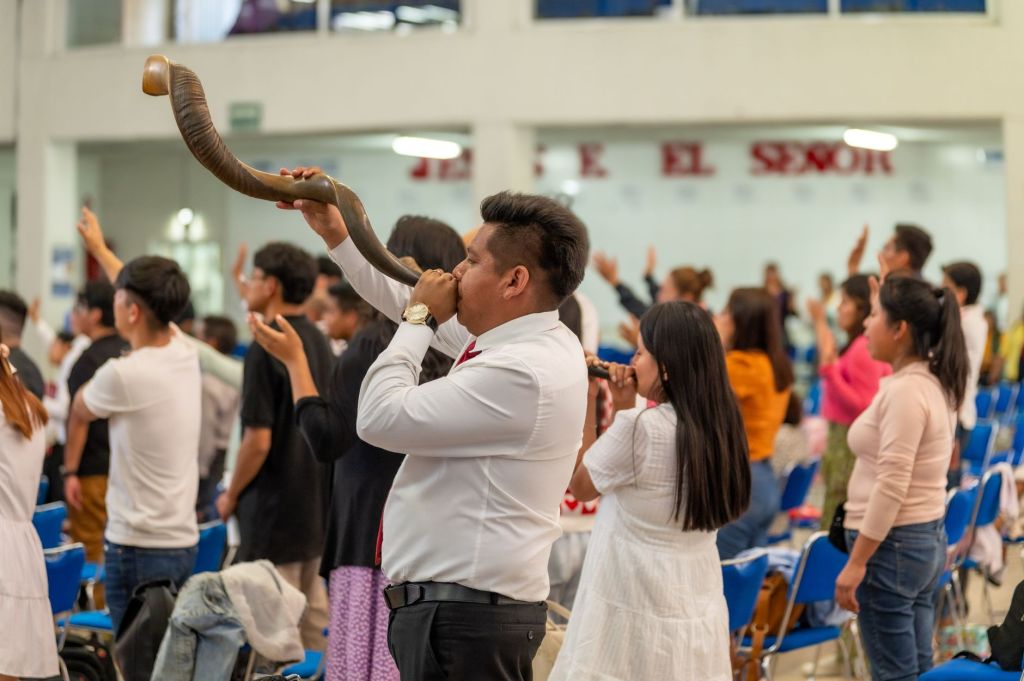
Rosh Hashanah 2026 starts at sundown on Friday, September 11, to nightfall on Sunday, September 13. Rosh Hashanah, or the Feast of Trumpets, is a time of celebration and looking back at the year completed. Many shofars are blown. The rams horn trumpets made an incredible sound at a Feast of Trumpets celebration at one of the churches I attended. The Feast of Trumpets is also a time of giving offerings to the Lord and to not work (Leviticus 23:23-25; Numbers 29). Trumpets have a special meaning, as shown in the Old Testament book of Numbers.
“On the day of your gladness also, and at your appointed feasts and at the beginnings of your months, you shall blow the trumpets over your burnt offerings and over the sacrifices of your peace offerings. They shall be a reminder of you before your God: I am the LORD your God.” Numbers 10:10 (NIV)
Rosh Hashanah is a time of Spiritual Renewal: It begins the Ten Days of Repentance (or Days of Awe), giving people time to reflect, mend relationships, and seek and give forgiveness before the holiest holy day of Yom Kippur, the Day of Atonement. Yom Kippur is a solemn day of fasting and reflection. This is a High Holy period for our Jewish brothers and sisters, and some Christian churches celebrate these holidays, too.
Wouldn’t it be wonderful if each of us around the world were to take time to remember and celebrate our blessings, to mend relationships, and seek and grant forgiveness where needed? Think of how many relationships will be restored if we take this to heart!
God Initiated the Feast of Trumpets and the Day of Atonement
As I was reflecting on the upcoming holidays, I was struck by the importance that God put upon restoration of Israel’s relationship with Him (Leviticus 23:26-32). The English meaning of atonement is to be made at one with someone after a separation or a fight. According to BibleProject, the Hebrew word for atonement, kippur, means two things: to repay a debt and to purify. We all are separated from God by our sin. Ten days of Repentance gives one a lot of time to think carefully of not only our interactions with others, but our relationship with God.
Atonement with God.
God wants each of us to be united with Him, purified from the sin that separates us from Him (Romans 3:23). Sacrifices had to be done again and again to temporarily cover sin. Christ Jesus paid for our sins when He died on the cross and gave us the gift of eternal life (Romans 6:23). Christ came as a permanent sacrifice. Christ Jesus, the sinless Son of God, obtained eternal redemption through His blood (Hebrews 9:11-15).
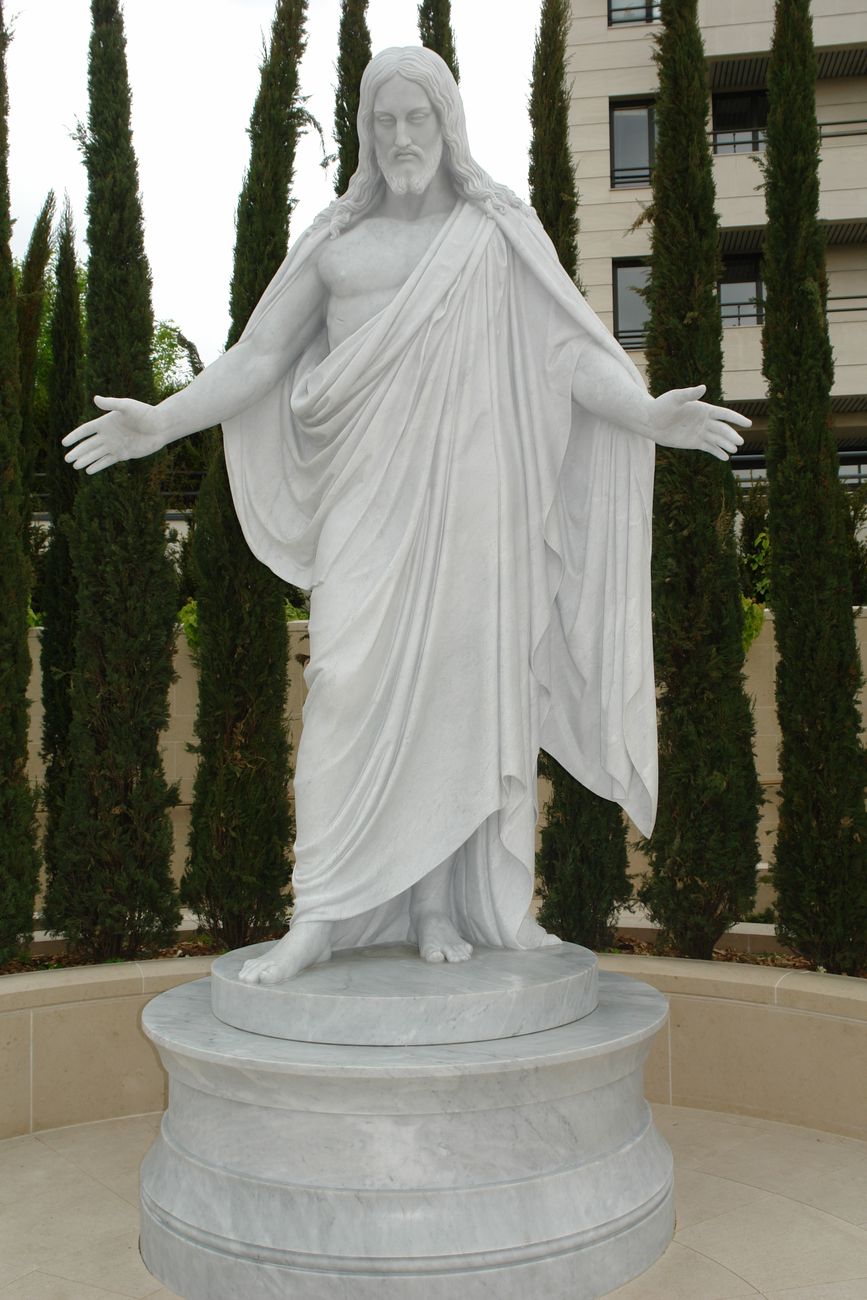
Will you receive Jesus as your Savior and embrace His redemption today?
Heavenly Father, You allowed Your Son to die so I can be set free. I’m grateful for Your provision of reconciliation with You. Amen.
Did you know? According to ONE FOR ISRAEL, “September 12 is the first day of the Jewish month of Tishrei. According to the Bible, this is the first day of the seventh month, on which we are to celebrate the Feast of Trumpets, or “Yom HaTeruah”. The real start of the year is on the first day of the first month (Nisan), however, over the centuries, the first of Tishrei has been adopted as the Jewish new year and is known as Rosh Hashanah.”
# # #
Scriptures marked NIV are taken from the NEW INTERNATIONAL VERSION (NIV):
Scripture taken from THE HOLY BIBLE, NEW INTERNATIONAL VERSION ®. Copyright© 1973, 1978, 1984, 2011 by Biblica, Inc.™. Used by permission of Zondervan.
Sources:
- Rosh Hashanah 101. My Jewish Learning. https://www.myjewishlearning.com/article/rosh-hashanah-101/
- Yom Kippur. ReforrmJudaism.org. https://reformjudaism.org/jewish-holidays/yom-kippur
- Rosh Hashanah. Wikipedia. https://en.wikipedia.org › wiki › Rosh_Hashanah
- BibleProject. Leviticus Scroll•Episode 2•June 6, 2022 What is Atonement? https://bibleproject.com/podcasts/what-atonement/
- One for Israel. September 2026 Notable Dates and Events. https://www.oneforisrael.org/sep/?utm_campaign=calendar2026&utm_medium=calendar&utm_source=print&utm_term=sepcal2026


One response to “The Feast of Trumpets and the Day of Atonement”
What a great reminder of God’s provision of receiving and giving forgiveness. Thank you Kathryn.
LikeLike